
Funded
Toronto restaurant
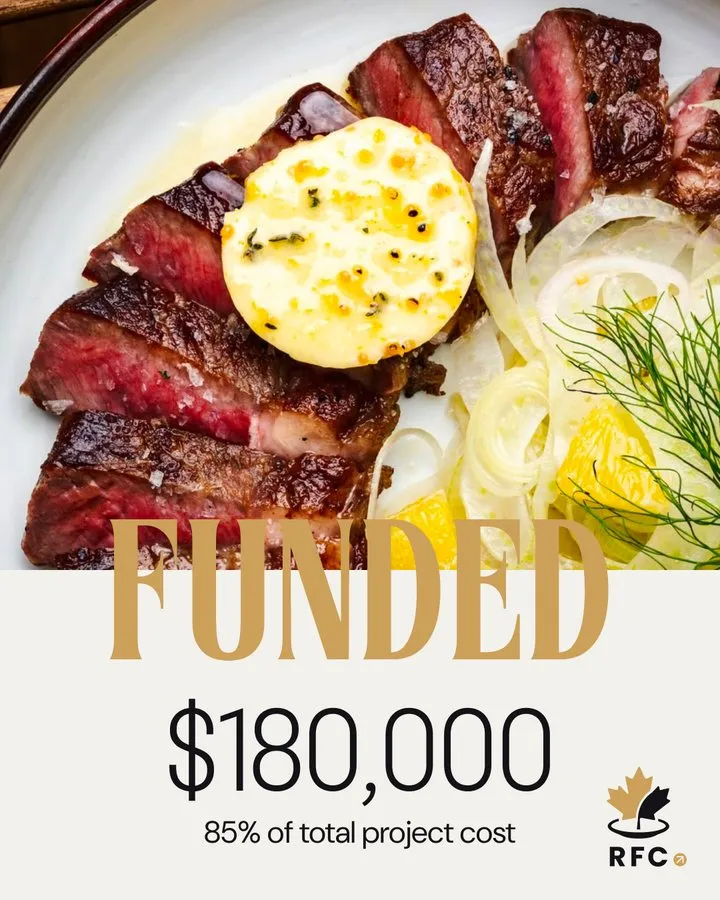
A Toronto restaurant, funded with TD. We built the plan, the numbers and every document, and saw it through to funding.
For restaurant business brokers

Acting for the seller? We get the buyer funded, so your listing sells. Acting for the buyer? We tell them what they can borrow before they offer. Either way, we pay you a referral fee when the loan funds. The loan comes from a bank or credit union, through the government-backed Canada Small Business Financing Program (CSBFP). We don't lend.
Start with one buyer.If the file goes the way it should, send us the next one.
Banks and credit unions we work with
Why it pays to send us your buyers
A restaurant sale closes when the buyer's loan does. We get the buyer there, and everyone at the table comes out ahead.
Send us your buyer. A funded buyer is one who closes, so your seller gets sold. If a buyer can't get there, we tell you early, so you're not chasing a sale that won't close.
We tell them what they can borrow before they make an offer, so they offer with a real number. Then we build their file and take it to the right lender.
When your buyer's loan funds, we pay you a referral fee, to you or your brokerage, and disclosed to your client.
An appraisal above the price, two years of the seller's statements and tax returns, and a lease with enough term left for the buyer to take over. We ask for it early, so the sale doesn't stall.
How a referral works
Send one. Judge us on the file.
Their name and a line about the sale. We do not reach out to them until you give us the go-ahead.
On the first call we tell them if the deal can work and which lender fits. If it can't, we say so then, so nobody wastes time.
Your buyer hires us and pays our fees. Our shared success compensation is only paid when they are funded. Where the lender allows it, both can come out of the loan.
We write the plan, build the budget from real quotes, pick the lender and submit. After approval we manage the payouts until the money is in their account.
Brands we've worked with
Funded
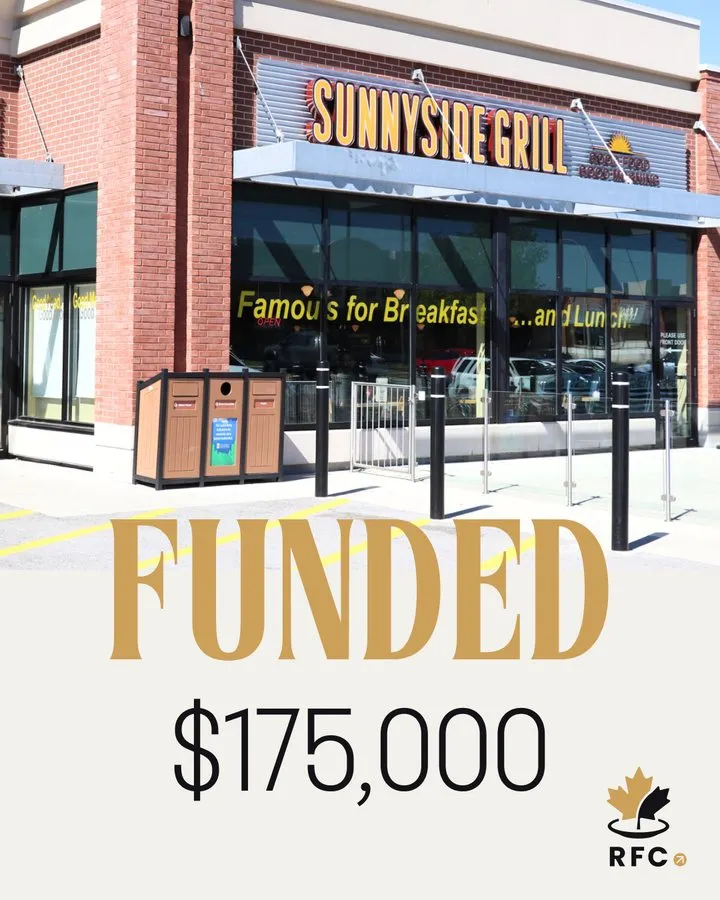
Every application we've submitted has been funded. Over $10 million so far, and about 100 hours saved for each client.
Funded
A Toronto restaurant, funded with TD. We built the plan, the numbers and every document, and saw it through to funding.
Funded
An asset purchase rather than a build, which means an appraisal, an inherited lease, and two years of the seller's statements and returns. Financed through a credit union.

Funded
Every document, the plan and the forecast, taken to Meridian and through three rounds of questions to approval.

Funded
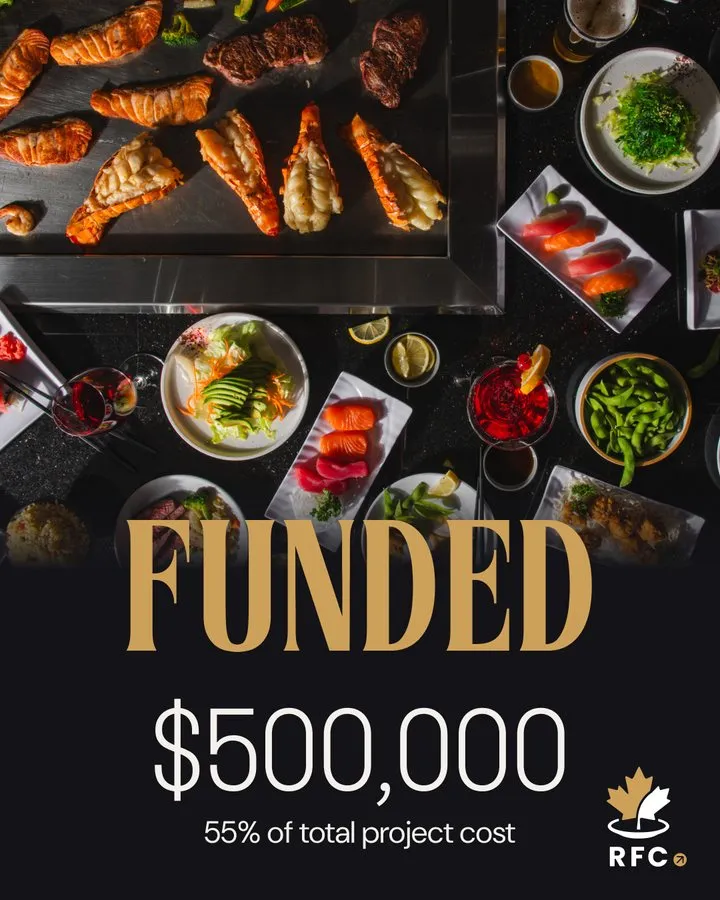
A ground-up bar, financed on projections rather than history, because there was no trading history for the location to lean on.
Drag, swipe or scroll sideways.
On Instagram

What each buyer gets

Who you deal with
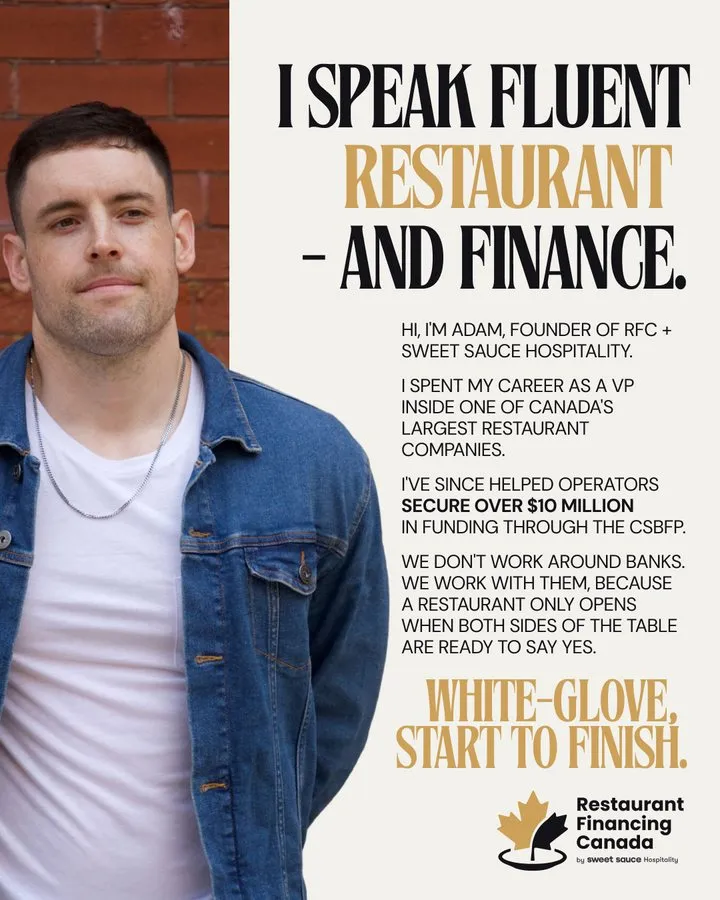
Hi, I'm Adam Gilbert. I've spent my career in the restaurant business, on the finance and marketing side. That includes senior marketing and finance roles at one of Canada's best known restaurant groups, through its sale to the country's largest full-service operator.
I run Sweet Sauce Hospitality Partners, and I am building my own restaurant concepts, so I am not advising from the sidelines. I know what a build really costs, and what the bank will ask before it asks.
A good business plan tells your story, then backs it up with numbers. It has to make the bank believe in your restaurant, and then prove it.
Let's get your buyers funded.
Questions
Straight answers to what business brokers ask first, starting with what the lender needs from the seller.
Refer a buyerNo. The loan comes from a bank or credit union, through the Canada Small Business Financing Program, a Government of Canada program. The government guarantees a large share of the loan for the lender. We are a brokerage: we build the application, take it to the right lender and see it through to funding.
Most restaurant owners we work with qualify for between $200,000 and $500,000. The program limit is $500,000 for leasehold improvements, equipment and intangibles such as franchise fees, including up to $150,000 of working capital. If they are buying the building too, the limit is higher.
The historical numbers, because the lender needs to see that the business can carry the debt, whatever the buyer plans to change. We line these up early so the sale does not wait on them.
Yes. When your buyer's loan funds, we pay you a referral fee. It is paid to you or your brokerage, whichever your rules require, and disclosed to your client.
Then the deal has a structural problem that needs solving before a lender will go further. It is far better to find out early, while the price and the terms can still be discussed, than after the file has gone in.
The operator you introduce. They engage us directly, the loan is theirs, and so are our fees: a project launch investment to start and shared success compensation that is only paid when they are funded. What they share with us about their finances is kept confidential, as it would be with any client.
No. When you tell us about someone, we do not reach out until you give us the go-ahead. The introduction is yours to make.
We tell them on the first call rather than taking their time or yours. Some things stop a file through this program, like personal taxes that have not been filed, and some need fixing first, like a lease too short to carry the loan. We would rather find them early than in front of the lender. Where a file can go ahead, the credit decision still belongs to the lender. Nobody can promise approval, and we do not.
Across Canada. The CSBFP is a federal program and we work remotely, so where you are does not matter. We are based in Toronto and work with owners in the Greater Toronto Area, Vancouver, Calgary, Edmonton, Winnipeg, Halifax, Montreal, Ottawa and Quebec City. Montreal, Ottawa and Quebec City are handled in French or English.