A second location
The concept already works in one spot. The next restaurant is a financing question, not a concept question.
White-glove restaurant financing

Done-for-you financing through the Canada Small Business Financing Program. We build the file the banks need and take it to the lenders who fund restaurants, even if you've been turned down before.
We work on outcomes, not inputs.Our shared success compensation is only paid when you're funded.
Brands we've worked with
What the money builds
Government-backed financing for leaseholds, equipment and intangible assets, plus up to $150,000 of working capital. Here is what operators do with it.
The concept already works in one spot. The next restaurant is a financing question, not a concept question.

Franchisees are our biggest partners. Franchise new builds are the files we build most, and we know what each lender wants to see from them.
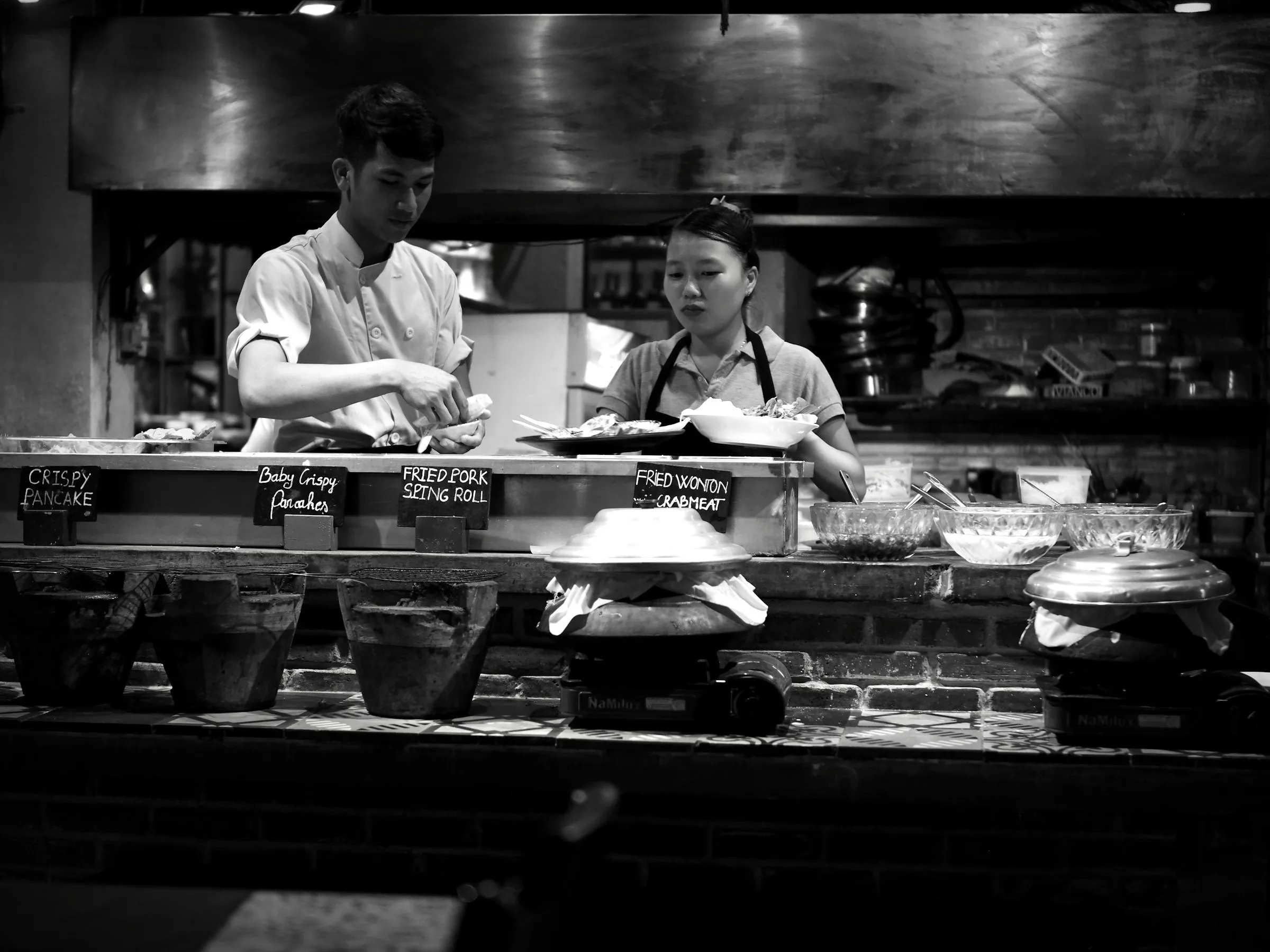
Equipment and leasehold improvements are exactly what the program was built to finance.

No trading history for the location yet, so the projections carry the whole credit story. We build them to hold up.
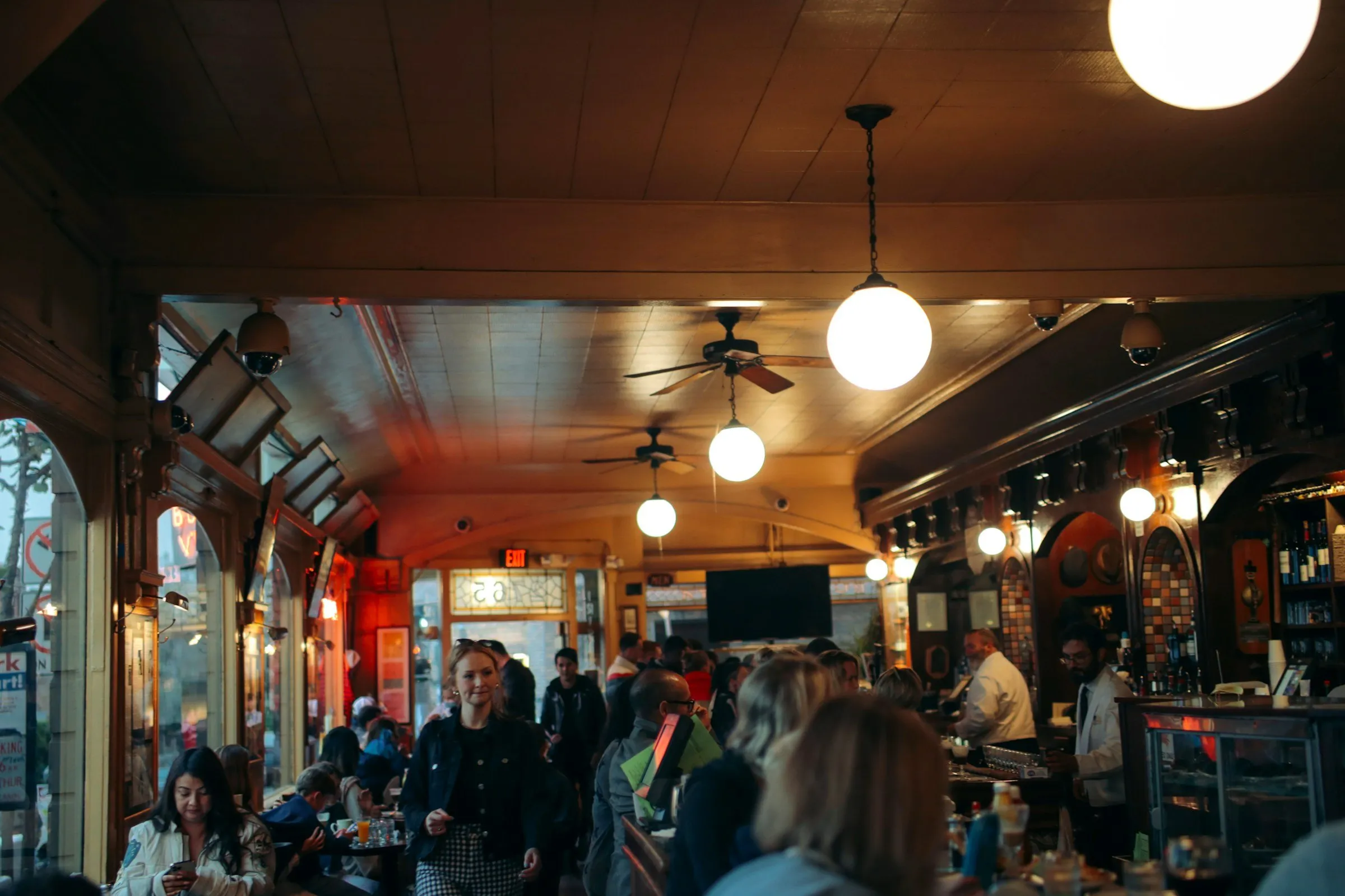
You built the location and paid for it yourself. Leaseholds and equipment paid for within 365 days before your loan is approved can still be financed under the program, so that capital comes back to you.
Why good restaurants get declined
Restaurants are harder to underwrite than most small businesses, so a credit team needs more from the file. Most declined applications are missing one of these. Tap a file to fix it.
That is a file a credit team can say yes to.
Who we build files for
The operators we work with best already know what their hours are worth. Tick the ones that sound like you.
That's exactly who we build files for.
See if you pre-qualifyWhat changes when we build the file
Four things decide whether a financing effort is worth it: how big the result is, how likely it is, how long it takes, and how much of your time it eats. We work on all four.
Whatever you can scrape together from savings and a line of credit.
Up to $500,000 of government-backed financing for leaseholds, equipment and intangibles, plus up to $150,000 of working capital.
An application the credit team has to chase you about.
A file built to the standard the credit team already works to, in front of the lender most likely to say yes to it.
Back and forth nobody planned for, while the lease clock keeps running.
We compress the clock we control, the plan, the model and the documents, and we tell you straight about the one we do not.
Learning what every lender wants, on top of opening a restaurant.
We do the assembling, the chasing and the back and forth with the bank. You stay on the build, the hiring and the opening.
How it works
Seven steps. You are only asked for the things only you can provide. Everything else is ours.
Before anything else, we find out whether you are a strong candidate and what the best route is. We talk to the banks, check who is moving fastest right now, and look for the best loan-to-value and terms for your goals, through a network of dozens of contacts at the big banks and credit unions. If we do not see a strategy forward, we tell you on that first call rather than taking your time.
We collect your documents and do the underwriter's homework before they do. It is the part we pride ourselves on, because some things are an instant no through this program, and we would rather find them in week one than in front of a credit team.
A written plan that tells your story in the language a credit committee reads, delivered as a designed, password-protected web presentation a lender can open on their phone. It covers:
A formula-linked, three-year Excel model built to read as though a restaurant CFO wrote it, with every assumption visible so the credit team can test it. It covers:
We work with your own bank, or match you to the lender who lends in this sector and fits your exact profile. Lenders change what they will do constantly, so the match matters as much as the file. Then the whole package goes in at once: plan, model, capex, quotes, invoices and every supporting document, organized in a data room the credit team can move through quickly.
Approval is the lender's decision and nobody can promise it. What we control is a complete, credit-ready file in front of the right lender, which is why every file we have submitted so far has been approved and funded.
Approval is not cash. Disbursement is how the loan actually gets paid out against your build, and it is where most restaurants get stuck: invoice rules, proof of payment, equity timing. We manage it for you, plan the fastest draw strategy, and prepare the documentation so each payout moves quickly.
The bridge
Operators get a faster path to yes. Lenders get complete, credit-ready files in a sector they want more of.

Where we work
The program is federal and the process is remote friendly, so we take files anywhere in Canada. Montreal, Ottawa-Gatineau and Quebec City are handled in French or English.
Lenders we work with
We vet our lending relationships the way we vet our clients. Because our files come in complete and our track record is clean, these lenders work hard for our clients: we bring them great operators, and together we build restaurants people actually want.
What's in the package
We work on outcomes, not inputs.Our shared success compensation is only paid when you're funded.
Get funded. Build the empire.
Funded
A 100% success rate on the files we've submitted, over $10 million funded through major lenders, and thousands of hours saved for our clients. We make it easy for our lending partners too.
Funded
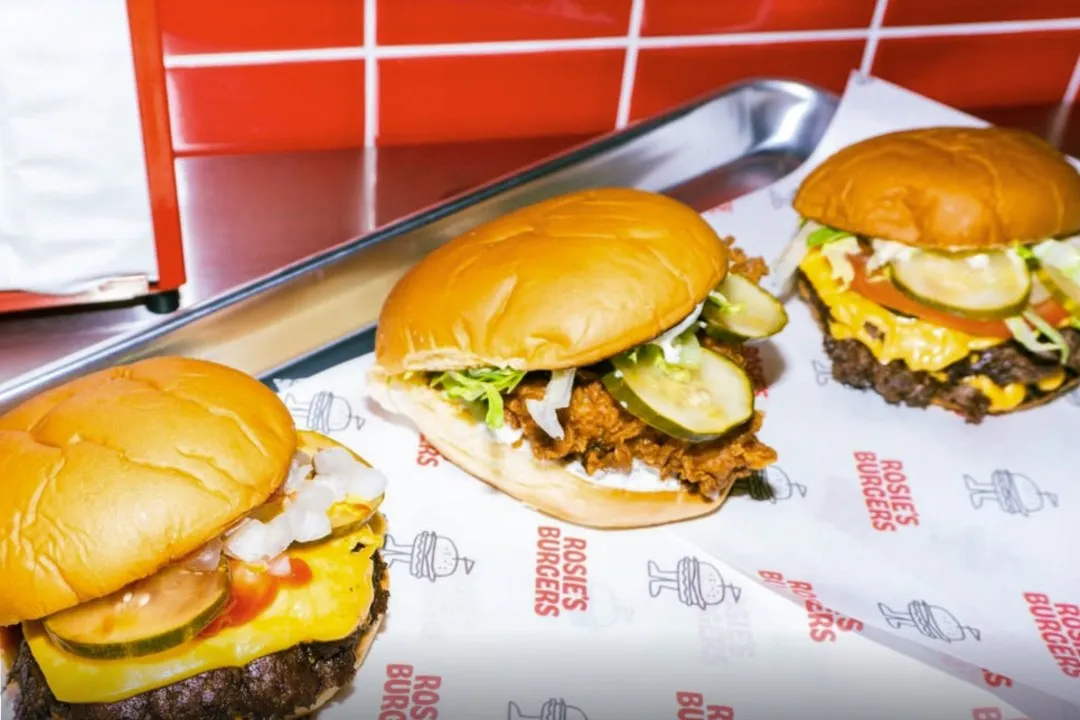
A multi-unit franchise group opening a new location. CSBFP structure at 90% of eligible cost, with the full capex reconciled line by line against quotes and invoices before it went to the lender.
Funded
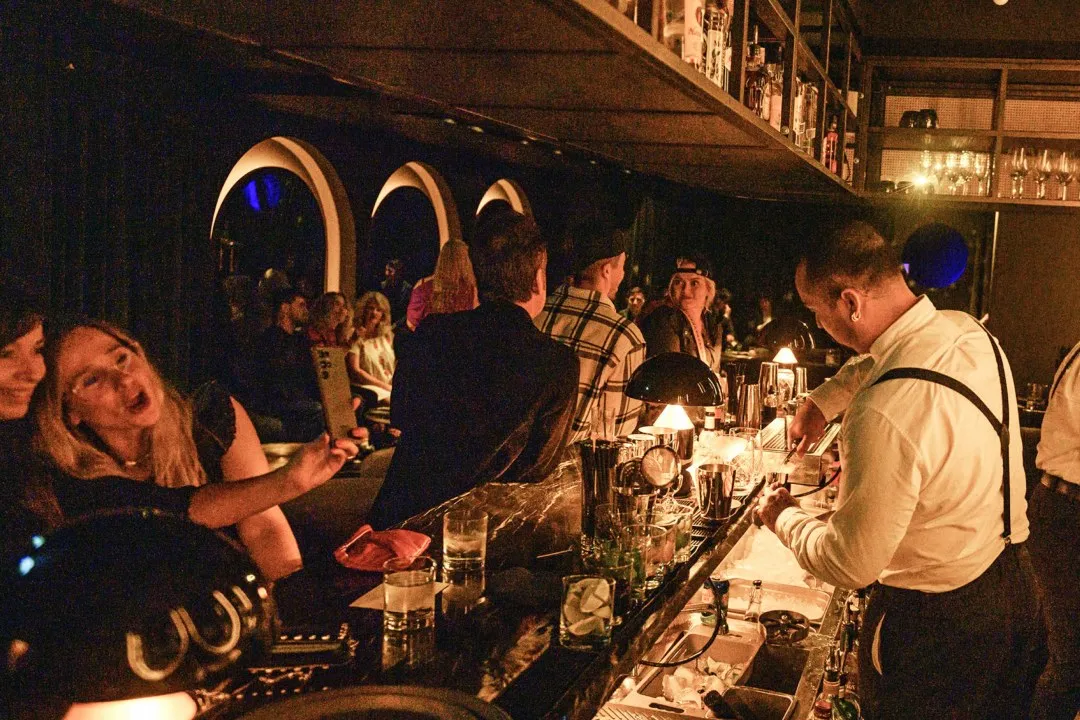
Not every file is a CSBFP file. This one was structured as a conventional facility with TD at 60% loan to value, because that is what the project and the security actually supported.
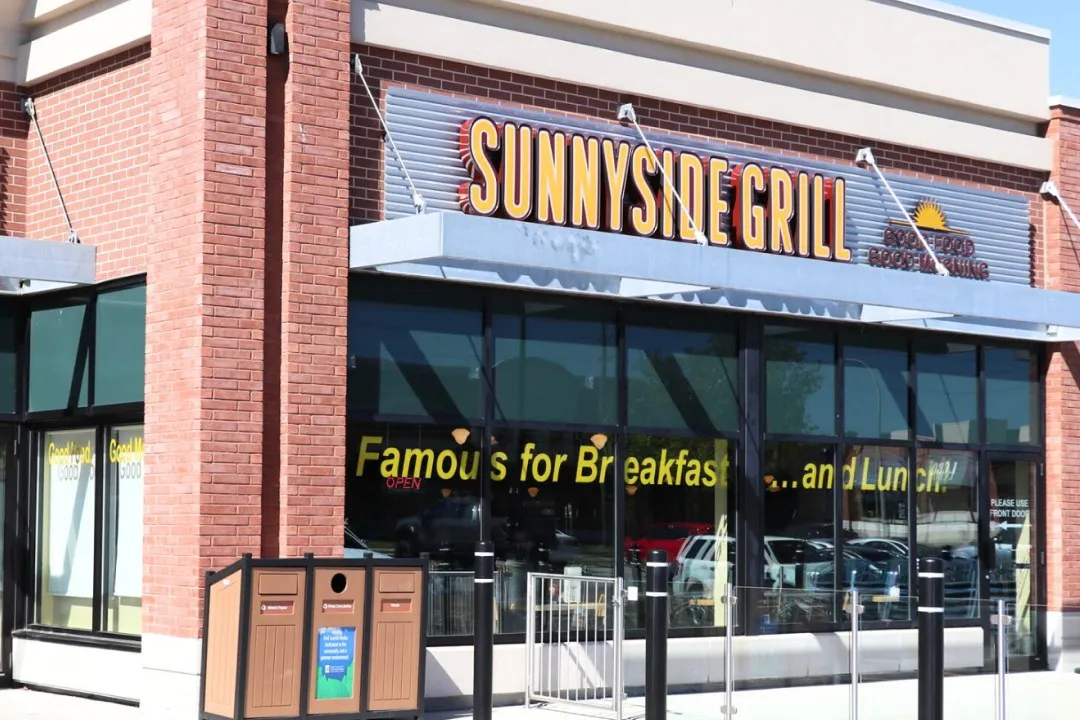
Funded
An asset purchase rather than a build, which means an appraisal, an inherited lease, and two years of the seller's statements and returns. Financed through a credit union.
Funded
Full data room, written plan and financial model, taken to Meridian and worked through three rounds of credit review to approval.

Funded
A ground-up bar, financed on projections rather than history, because there was no trading history for the location to lean on.
Drag, swipe or scroll sideways.
Why restaurant owners work with us, and refer us
Most restaurant applications are declined on the file, not on the business. We build the professional plan and financial model that give a credit team a reason to say yes.
No scrambling to learn what each bank wants. We handle the paperwork, the projections and the back and forth, so you stay on the build, the hiring and the opening.
Up to $500,000 of government-backed financing for leaseholds, equipment and intangibles, plus up to $150,000 of working capital. Open the restaurant the right way: fully equipped, fully funded.
I had no idea where to start with the loan process. They not only guided me, they basically did it all. We got $325K in funding for our first sushi spot. Couldn't have done it without them.
Kevin L. Sushi bar owner, Toronto
We were sitting on a lease with no buildout cash. They put together a killer business plan, talked to our bank directly, and we walked away with $470,000. Legit lifesavers.
Maria and Gio Italian trattoria, Hamilton
I didn't even know this type of financing existed. They made the process totally painless. I had the money in my account in under four weeks.
Brandon K. Ghost kitchen operator, Calgary
What it costs
A small investment to get started. The rest only when you're funded.
To get started, we charge a small upfront working fee, typically $3,500 to $5,000 depending on the size and complexity of your application. It covers the early legwork.
Once you're approved and funded, there's a shared success fee that scales with the funding you receive. We walk through all of it before we begin.
The good news: where the lender allows it, both fees can come directly out of your loan, so there's no need to pay out of pocket.
We also help you negotiate the best rate possible with your lender, which can save you thousands over the life of the loan. Think of us as your partner in getting funded, and in getting a better deal.
No surprises. No fine print. Just smart support from day one.
We work on outcomes, not inputs.Our shared success compensation is only paid when you're funded.

Who you deal with
I am Adam Gilbert. I have spent my career on the operator side of hospitality, on the finance and marketing end of it, including senior marketing roles in one of Canada's best known restaurant groups and through its sale to the country's largest full-service operator.
I run Sweet Sauce Hospitality Partners, and I am building my own restaurant concepts, so I am not advising from the sidelines. I know what a build actually costs, where the numbers go soft, and what a credit team is going to ask before they ask it.
A good business plan is a piece of storytelling with the arithmetic underneath it. It has to help someone believe in a version of the future worth funding, and then prove it.
Let's get yours funded.
Questions
Straight answers, no jargon. Including the ones where the honest answer is that it depends on your lender.
See if you pre-qualifyMost restaurant operators we work with qualify for between $200,000 and $500,000 through the CSBFP. $500,000 is the program ceiling for leasehold improvements, equipment and intangible assets, with up to $150,000 of working capital inside the same structure. If your project includes buying the building, the ceiling is higher, so tell us early and we will quote the right number.
A federal program that helps small businesses borrow through banks and credit unions by guaranteeing a large share of the loan for the lender. That guarantee is what makes restaurant lending workable for a bank. To qualify you must be a for-profit Canadian business with under $10 million in annual revenue.
This is the single thing operators get wrong most often, and it costs people deals. Your equity injection is cash you put into the project. Your net worth is what you are worth on paper, and it does not need to be liquid. Home equity, a vehicle and other illiquid assets all count toward it. The threshold lenders look at is a share of the loan, not a share of your total project cost, which is a much smaller number than most people assume. If you have been told you cannot qualify because you do not have enough cash, it is worth a second look.
Two clocks run, and they are worth separating. The first is ours: assembling the plan, the model and the document package. That one moves at the speed documents come back from you and your accountant, and it is the part we can compress. The second is the lender's own credit process, which varies by institution and by how busy their queue is, and which nobody outside the bank controls. We will give you a realistic read on both once we have seen your file. What we will not do is quote you an average that has nothing to do with your deal.
If you are a for-profit Canadian business under $10 million in revenue, or pre-revenue, and you are opening, expanding or buying a restaurant, you are likely in scope. Beyond that, lenders look at credit history, the equity you are putting in, and your lease. The pre-qualification questions take about a minute and will tell you where you stand.
No, and be careful of anyone who says otherwise. The credit decision belongs to the lender. What we control is the quality and completeness of what lands on the credit team's desk, and the choice of which lender sees it. That is what most declined applications were missing, and it is why every file we have submitted so far has been funded.
A written business plan, a formula-linked financial model, a use-of-funds breakdown, the full document package, the lender match, and us dealing with the bank through to funding.
You can try, and some people do. Plenty of our clients came to us after a DIY application was declined. Here is what AI alone misses:
That is common and it is fine. We work with lenders across the major banks and credit unions, and different ones weigh credit, equity and lease terms differently. We will point your file at the ones most likely to say yes to it.
A CSBFP term loan can finance the purchase or improvement of commercial property, new or used equipment, leasehold improvements, and intangible assets and working capital costs. In practice, for a restaurant, that is most of a build.
Rates are set by your financial institution within program caps, and can be floating or fixed. For a floating term loan the maximum is the lender's prime lending rate plus 3%. For a fixed term loan it is the lender's residential mortgage rate for that term plus 3%. For a line of credit the maximum is prime plus 5%. Where there is room to negotiate inside those caps, we will.
A location secured or a lease in place is one of the program's requirements, and lease term matters more than most people expect, because the loan amortises over it. Five plus five, or ten years, is the shape you want. Come to us before you sign and we can tell you what the financing will support, which is a better order to do this in. If you are still searching, we work with restaurant real estate brokers and can make an introduction.
Across Canada. The CSBFP is a federal program and the process is remote friendly. We are based in Toronto and are most active in the Greater Toronto Area, Vancouver, Calgary, Edmonton, Montreal and Ottawa-Gatineau, with files in Winnipeg, Halifax and Quebec City as well. Montreal, Ottawa and Quebec City are handled in French or English.
Yes, and the difference matters. An asset purchase requires an appraisal, and the appraised value has to support the purchase price. You inherit the lease rather than negotiating it, and the seller's historical financials are mandatory: two years of statements, corporate tax returns and notices of assessment. We will argue the case that the business performs better under you, but the historicals still have to be there.
Often, yes. Under the Canada Small Business Financing Program a lender can include expenditures made within 365 days before the date the loan is approved, or conditionally approved. So leasehold improvements and equipment you paid for in the last year can be financed, and that capital comes back into the business. What counts is when you paid: anything paid more than 365 days before approval is outside the program.

Ready when you are
We work on outcomes, not inputs.Our shared success compensation is only paid when you're funded.